2026: Expert Petrol Bike Launch Analysis | ICE Performance, Pricing & Market Strategy
At Bike Reviews India, the brand has evolved — sharper, more analytical, and firmly rooted in real-world motorcycling. Under the authorship of Babulal, the platform is no longer just about launching news; it is about decoding the engineering beneath the tank, the strategy behind the pricing, and the rider experience beyond the spec sheet.
This rebranding signals a shift from surface-level coverage to industry-grade analysis — where ICE refinement, EV transition strategy, chassis dynamics, and market positioning are examined with the scrutiny of someone who understands both the torque curve and the tax slab.
What the New Branding Stands For
1. Engineering First. Marketing Later.
Whether it’s a long-stroke 350cc single with a relaxed firing cadence or a high-revving 890cc V-twin that thrives north of 9,000 rpm, the focus is on how it delivers power — not just how much.
You’ll see discussions around:
-
USD forks vs conventional telescopics
-
Slipper/assist clutches in traffic-heavy cities
-
Bosch EFI calibration differences
-
Ride-by-wire mapping nuances
-
Heat dissipation in peak Indian summers
-
Service intervals and ownership cost curves
Because in India, a bike is not just weekend therapy — it’s a daily commuter through 42°C congestion.
Market Context: 2026 Is a Strategic Reset
The Indian two-wheeler market is entering a recalibration phase:
-
GST 2.0 displacement-based restructuring is influencing 373cc–399cc downsizing toward 350cc platforms.
-
Brands are balancing localization to manage pricing pressure.
-
Sub-500cc ADV and performance segments are heating up.
-
Premium V-twin imports face margin pressure unless CKD/assembly strategies evolve.
Bike Reviews India under Babulal will contextualize every launch — not in isolation, but against competitors, tax policy, and consumer psychology.
2026 Petrol Two-Wheeler Landscape (ICE Focus)
Below is how the year is shaping up across major brands — through an analytical lens rather than brochure claims.
🟠 Bajaj Auto, KTM & Triumph Strategy Realignment
Bajaj Auto
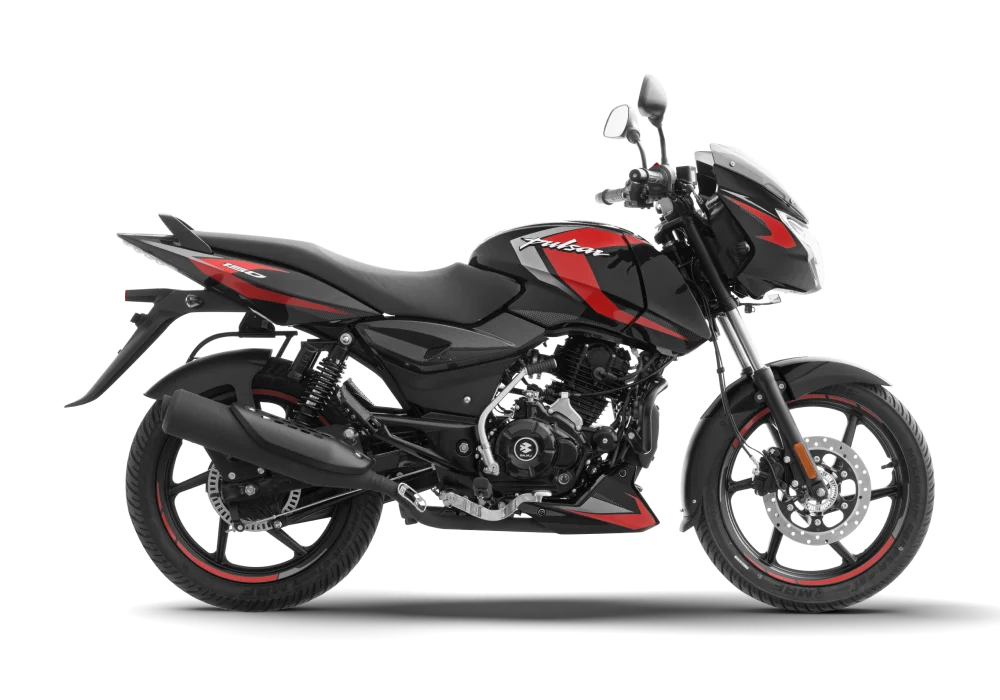
The next-gen Pulsar 125 and 150 will likely receive:
-
New chassis architecture
-
Monoshock rear setup (inspired by N-series)
-
Updated engine internals for compliance
If Bajaj optimizes weight distribution and retains the accessible 790mm–805mm seat height range, it could reinforce dominance in Tier-2 and Tier-3 commuter markets.
Downsizing 373/399cc engines to ~350cc for GST efficiency is a tactical move. The key question:
Will KTM retain aggressive throttle mapping while Triumph maintains linear mid-range tuning?
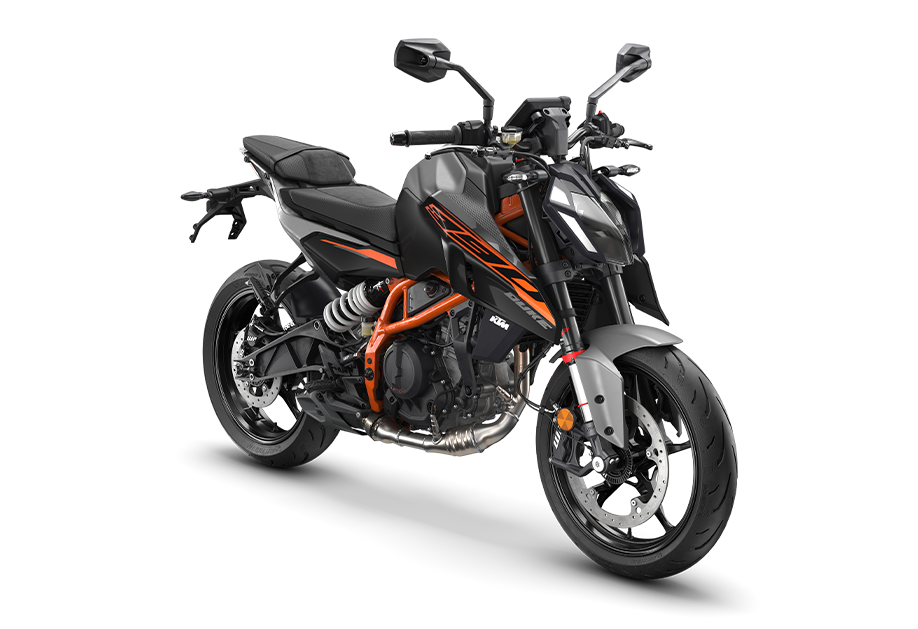
KTM
Expect sharper state-of-tune calibration and stiffer suspension bias.
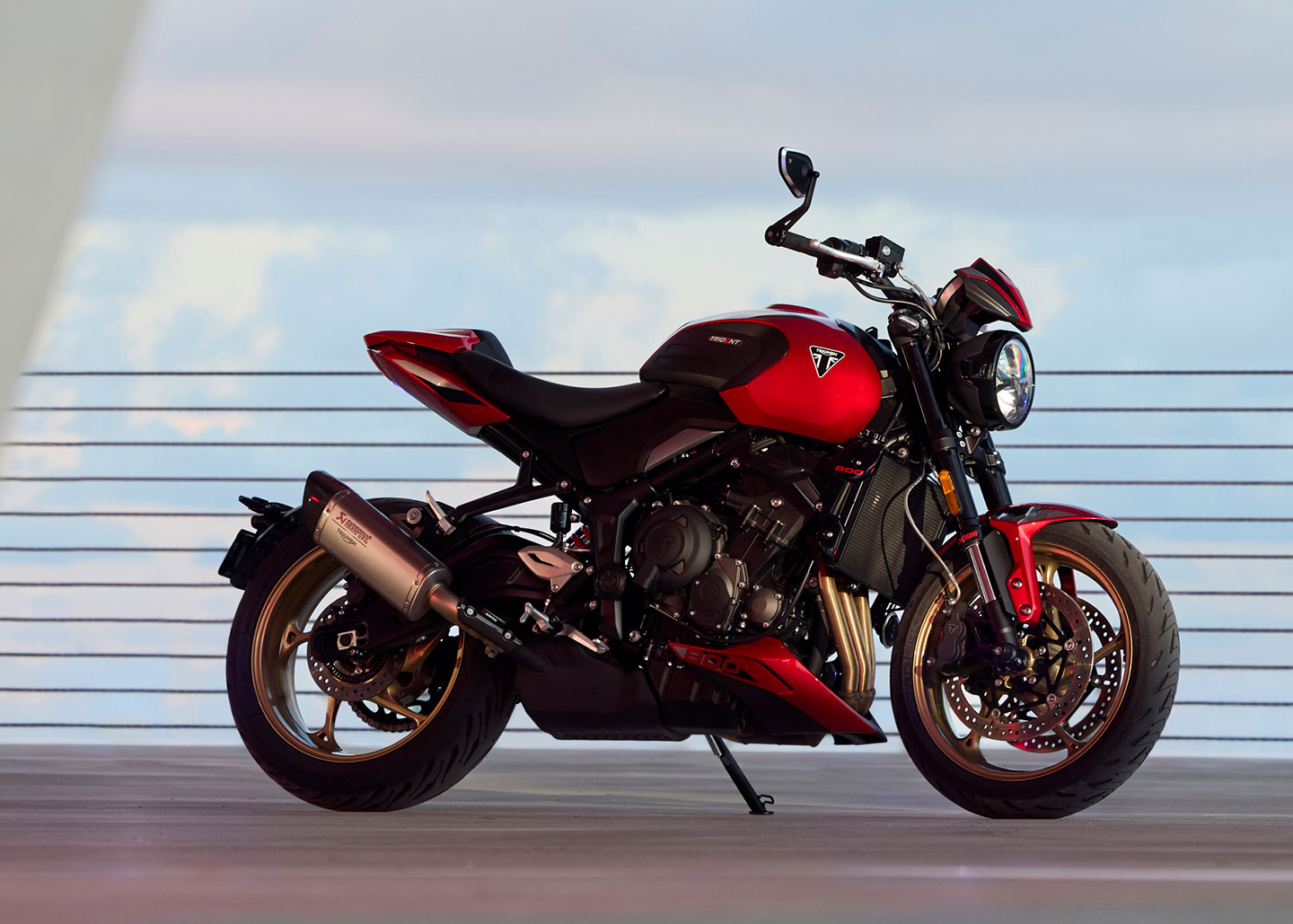
Triumph Motorcycles
The Trident 800 could fill the performance gap while keeping accessible ergonomics.
🔵 BMW Mid-Weight Disruption
BMW Motorrad
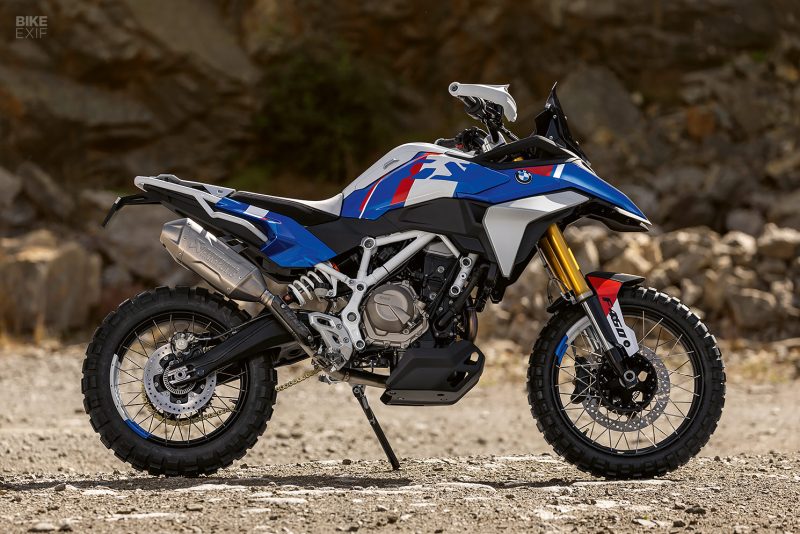
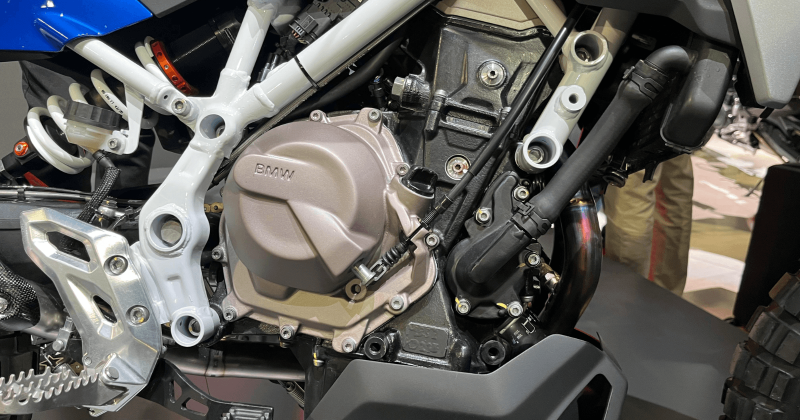
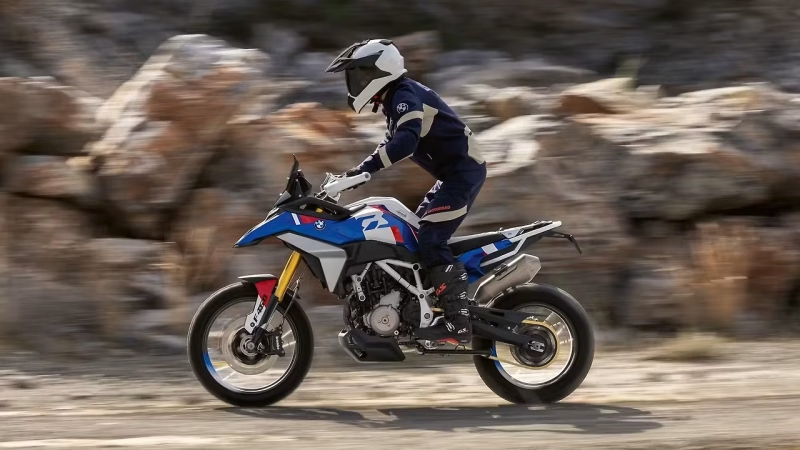
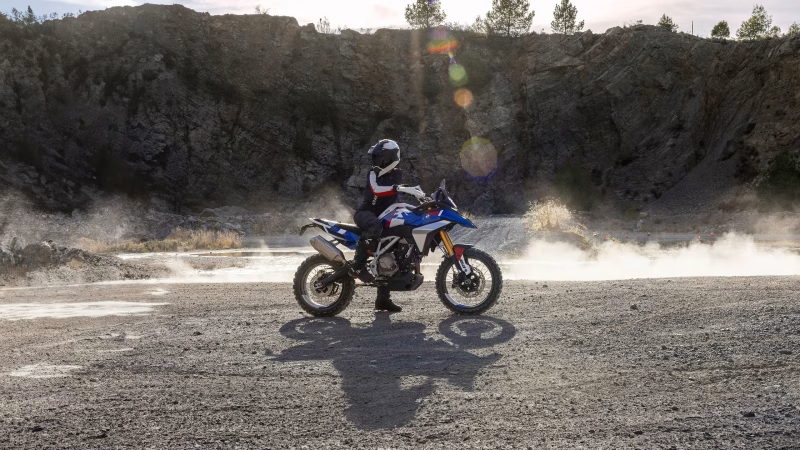
The upcoming F450GS (TVS-built) is strategically critical.
Key Engineering Highlights:
-
420cc parallel twin
-
135° firing order (expect uneven, characterful thrum)
-
48 hp output
-
~180 kg wet weight
If clutchless shift tech (similar to Honda’s E-Clutch philosophy) works seamlessly in traffic, this could redefine the sub-500cc ADV class.
Pricing will determine whether it competes with:
-
Royal Enfield Himalayan 450
-
KTM 390 Adventure
-
Honda NX500
🟡 Ducati: Middleweight Renaissance
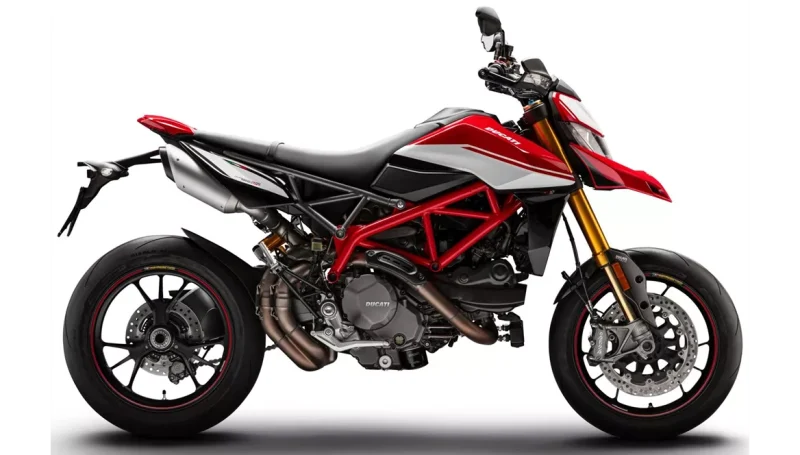
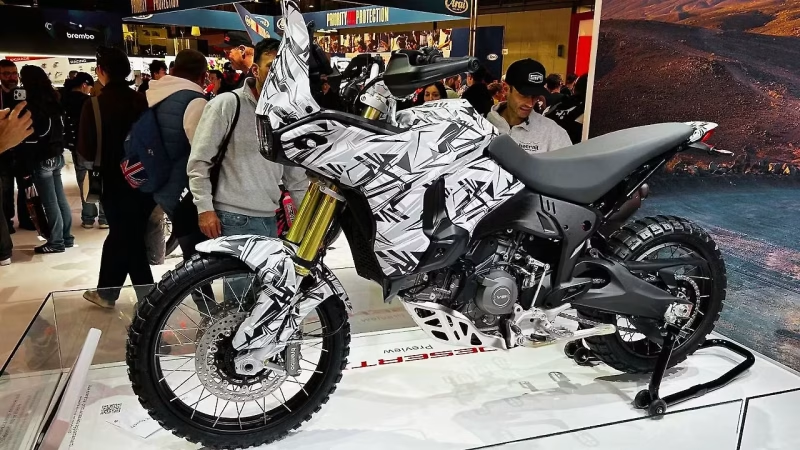
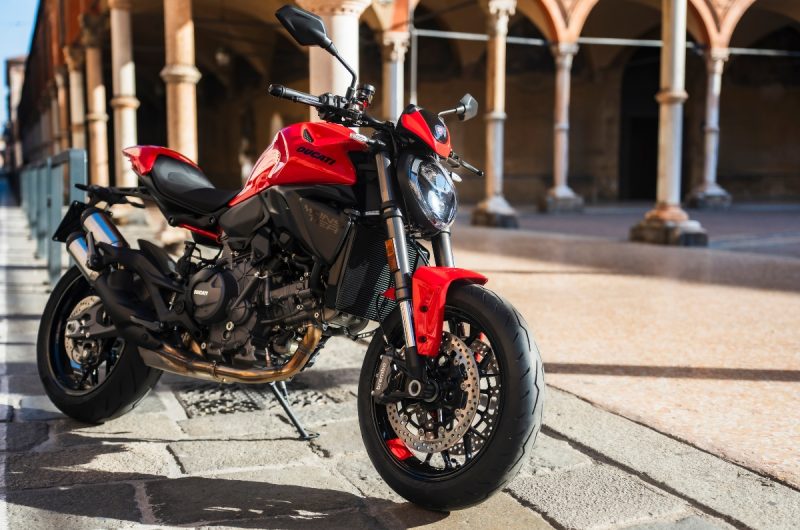
Ducati
The new 890cc V-twin platform is more than displacement revision — it’s a mass-centralization strategy.
-
Monster: smoother torque curve
-
Hypermotard: aggressive throttle mapping
-
DesertX V2: ADV-ready recalibration
Ducati’s challenge in India remains heat management in urban congestion and premium servicing cost.
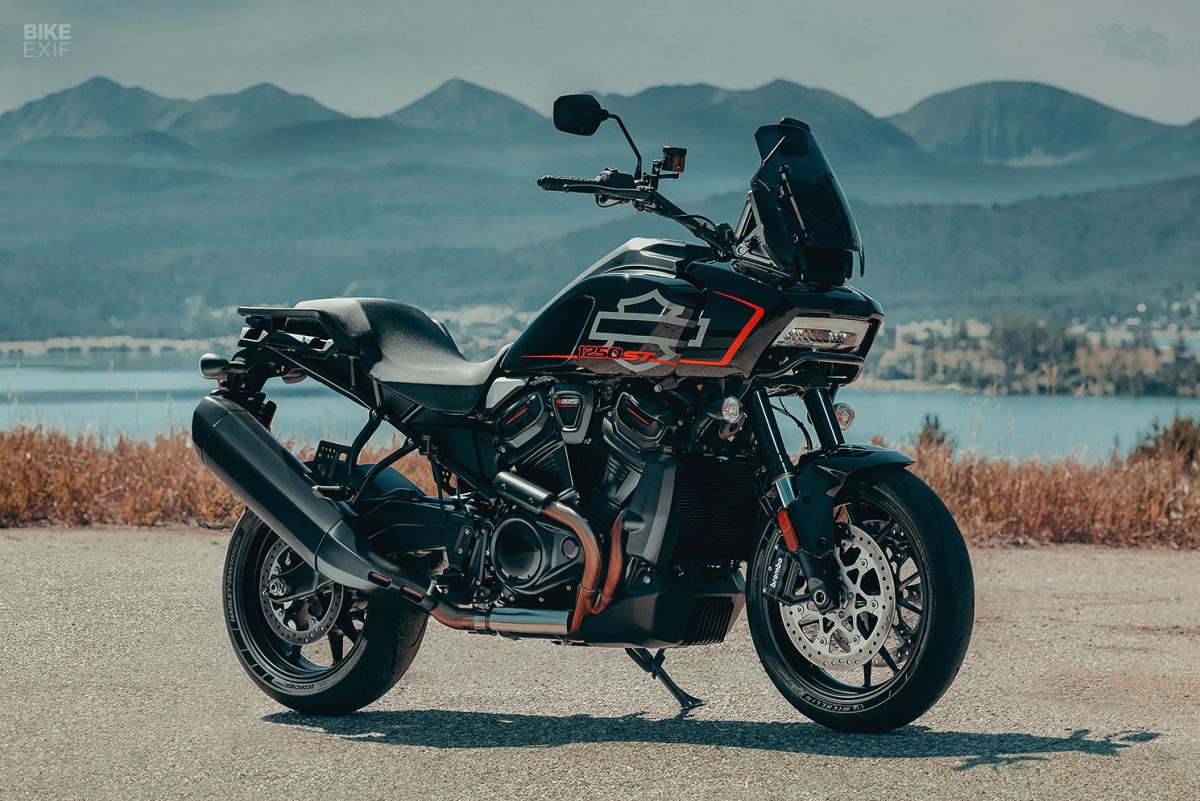
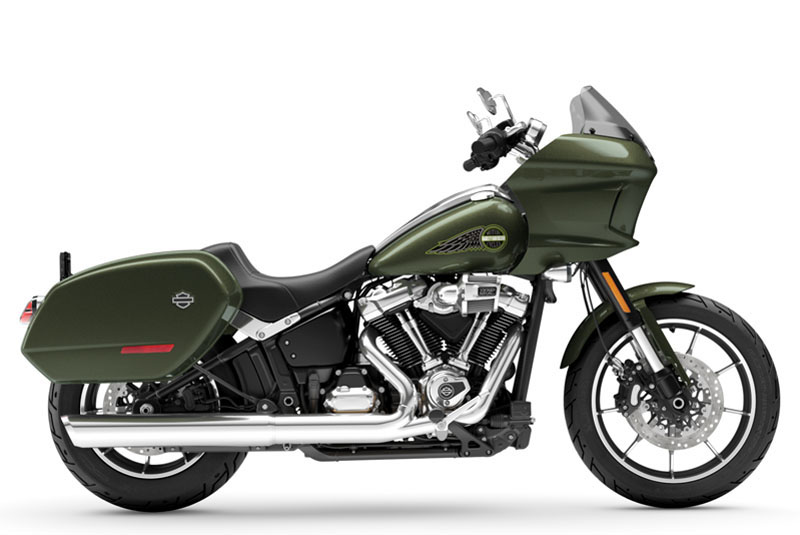
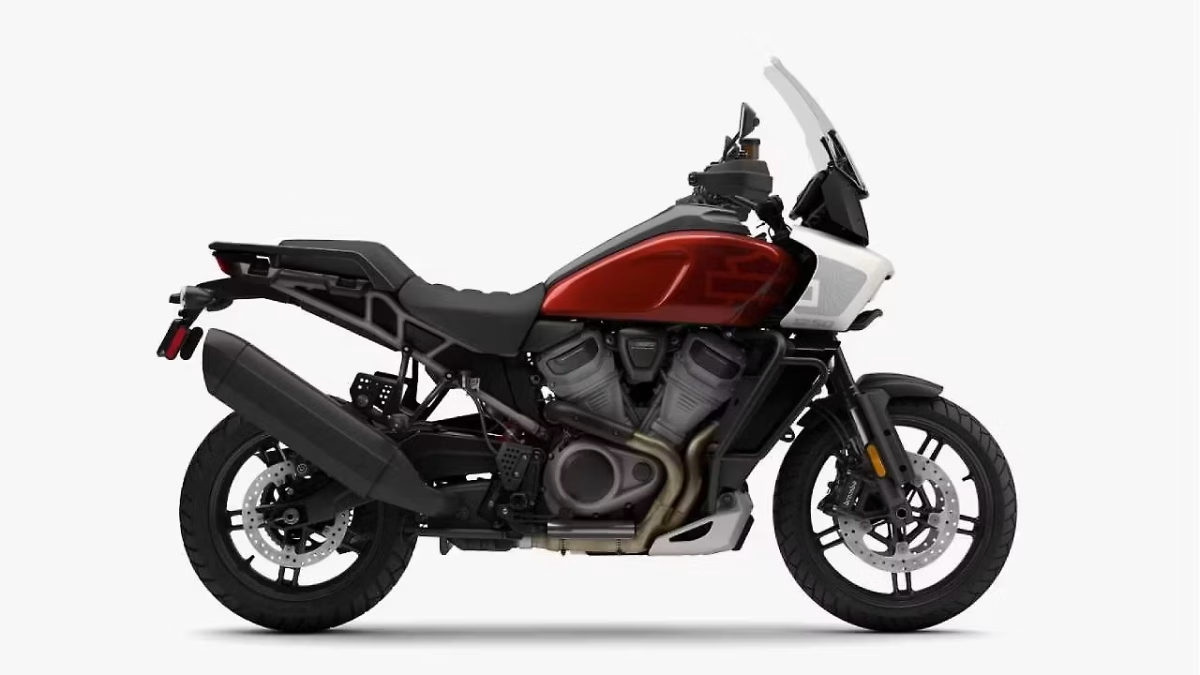
🟤 Harley-Davidson: Torque Over RPM
-
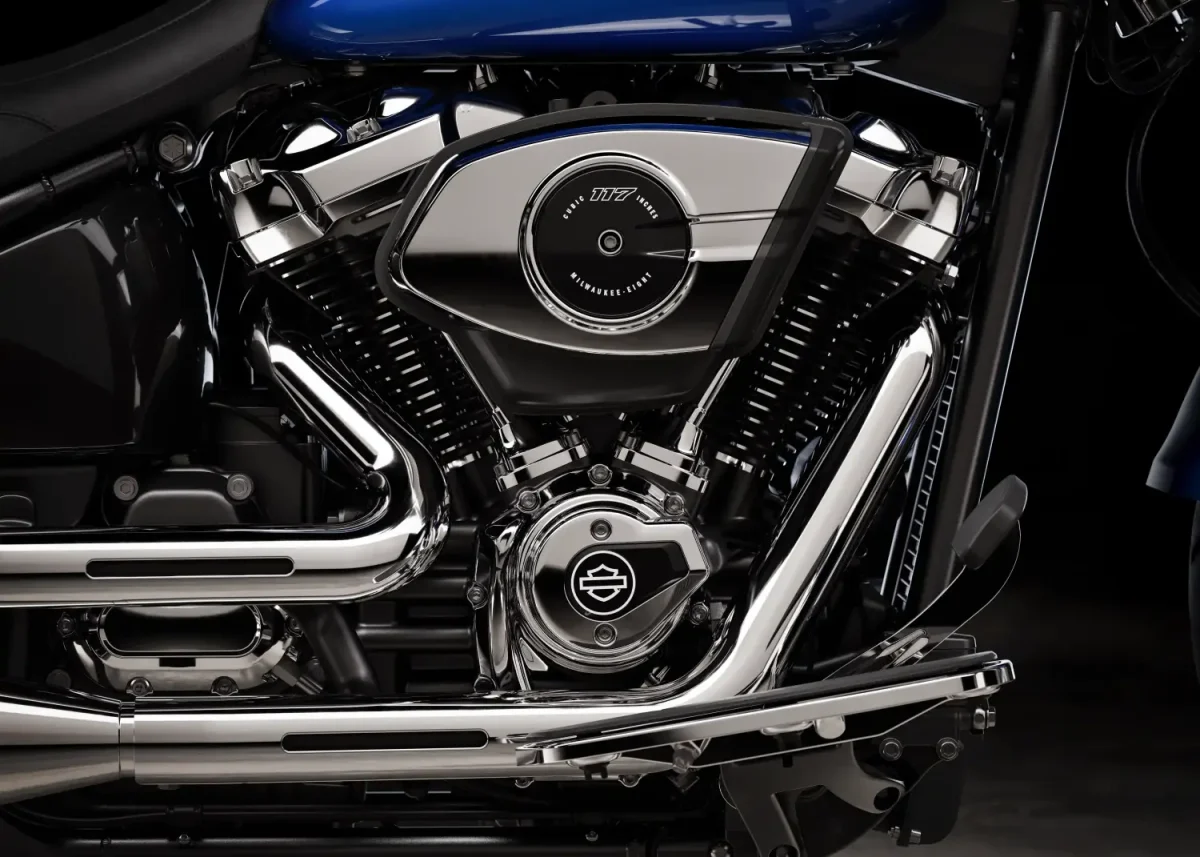
- MY26 Web 360. FXLRST Low Rider ST
Harley-Davidson
The 1,923cc Milwaukee-Eight 117:
-
114 hp
-
173 Nm torque
-
323 kg mass
This is about low-end grunt — the kind that pushes you forward without revving beyond 4,000 rpm.
In India, however, maneuverability in dense cities and thermal comfort become practical limitations.
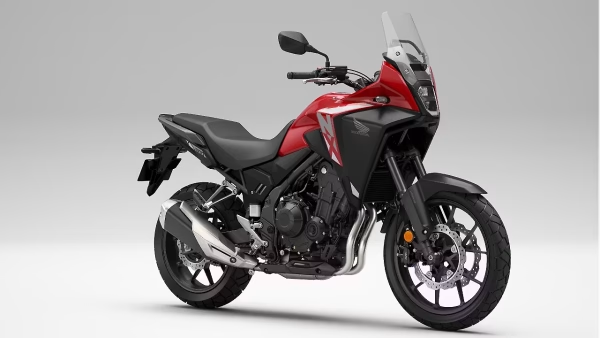
🟢 Honda: Localization Strategy in Motion
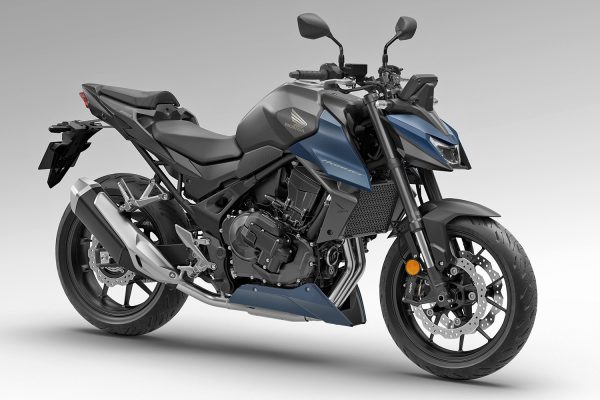
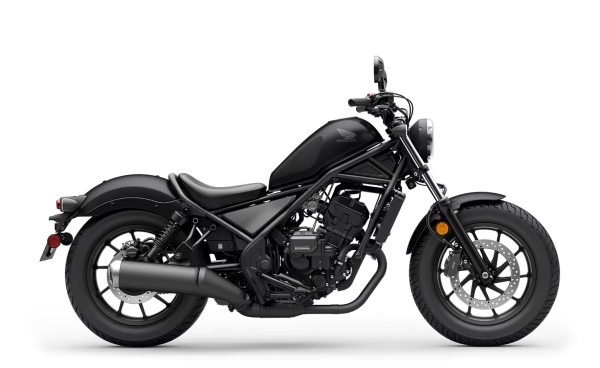
Honda Motorcycle and Scooter India
The Rebel 300:
-
286cc liquid-cooled single
-
690mm seat height
-
~170kg kerb
This could attract lifestyle urban riders transitioning from commuters.
E-Clutch integration on NX500 and CB750 Hornet may redefine urban usability.
Africa Twin’s return depends on E20 compliance — fuel reformulation is shaping product availability.
🔴 Kawasaki: Premium but Price Sensitive

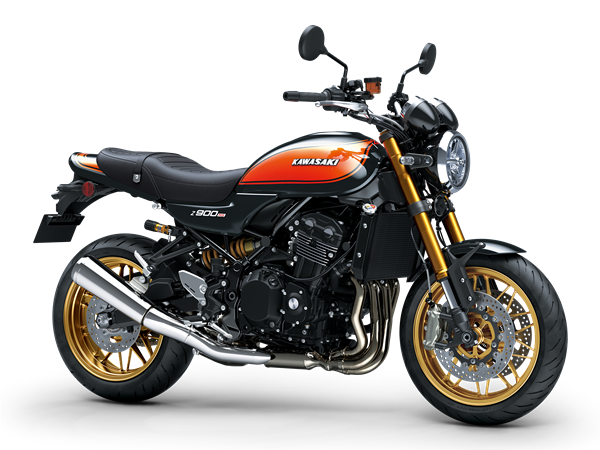

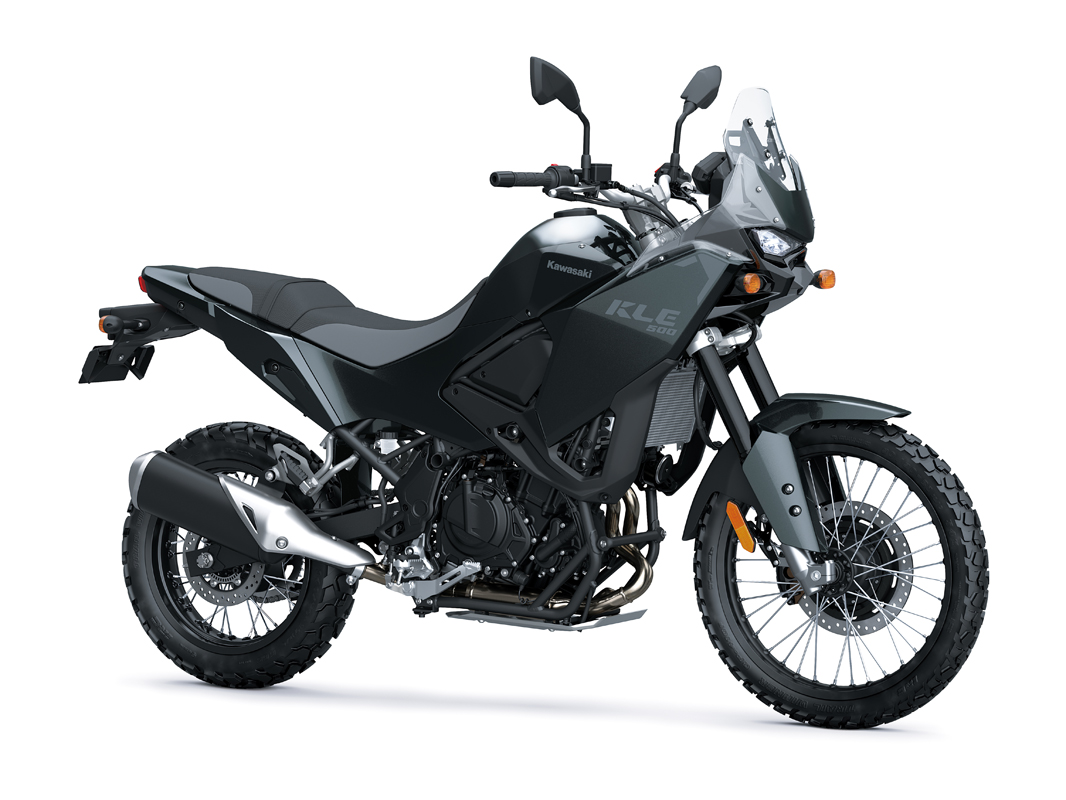
Kawasaki
ZX-10R updates focus on electronics and chassis refinement.
If Kawasaki reduces pricing creep, it could regain superbike value leadership.
The KLE 500’s success depends entirely on localization. As CBU, pricing may cross ₹5 lakh, limiting volume.
🟠 Royal Enfield: 750cc Inflection Point

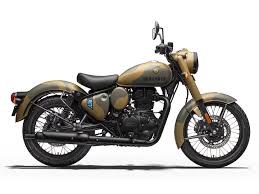
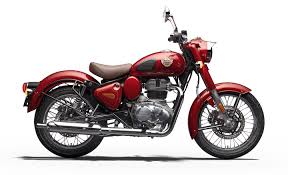
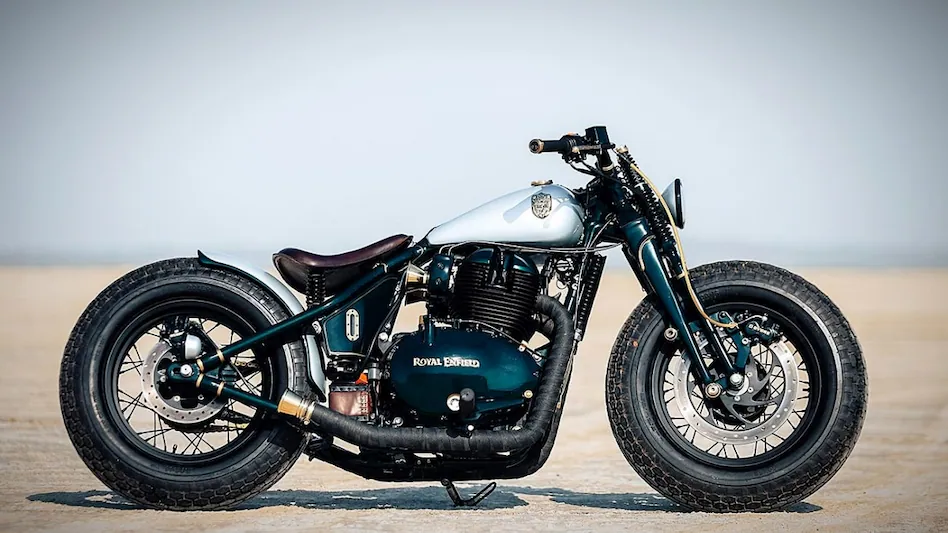
Royal Enfield
The 750cc air/oil-cooled twin (expected 55–60 hp) should:
-
Deliver stronger mid-range
-
Retain long-stroke character
-
Offer smoother highway cruising
Slip-assist clutch addition to 350cc lineup improves daily clutch modulation — critical in Indian traffic.
🔵 Yamaha: Performance Step-Up
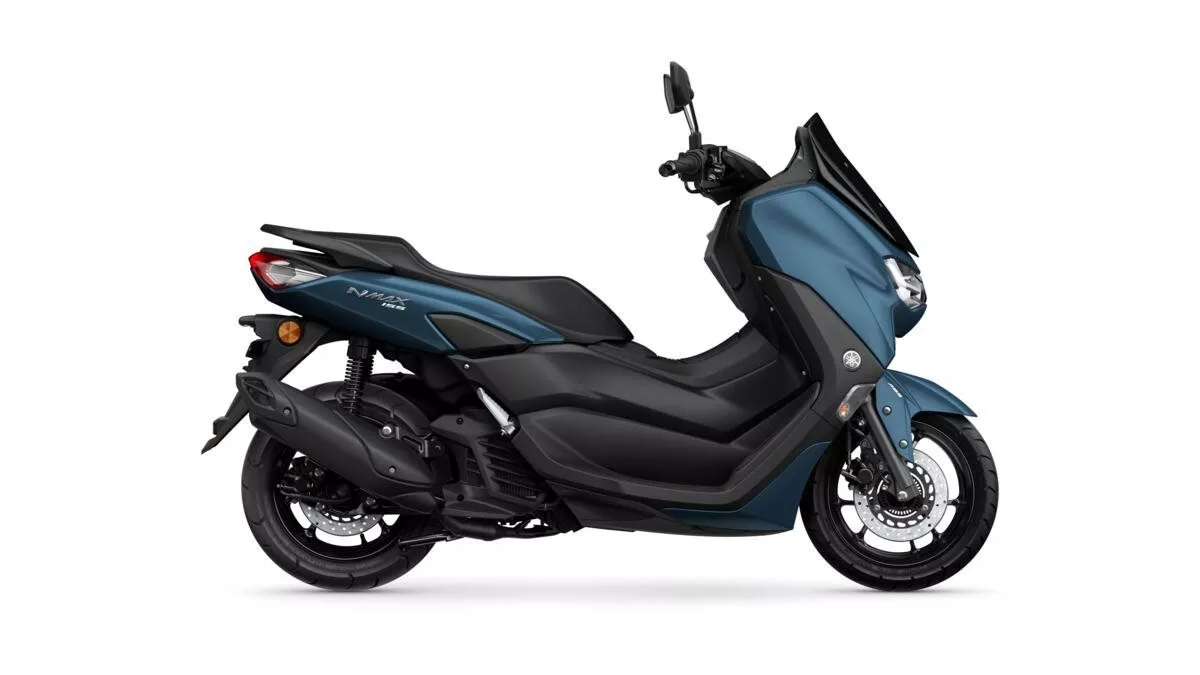
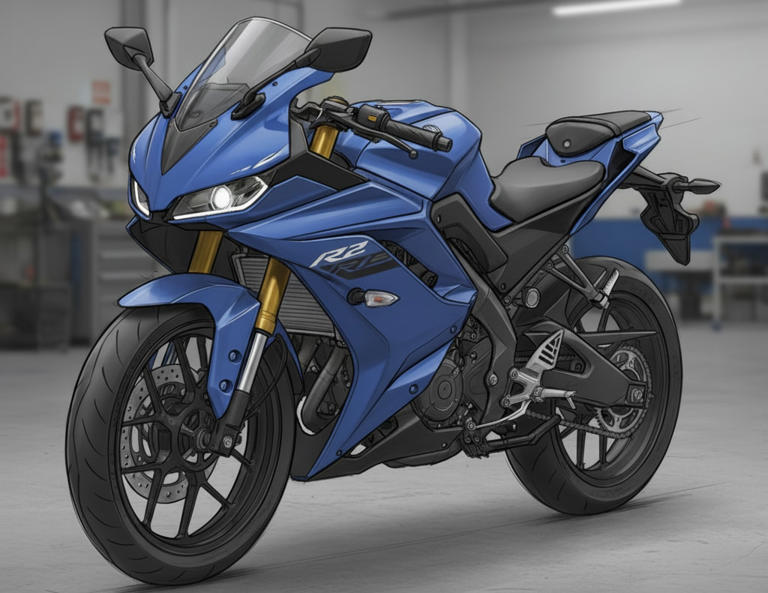
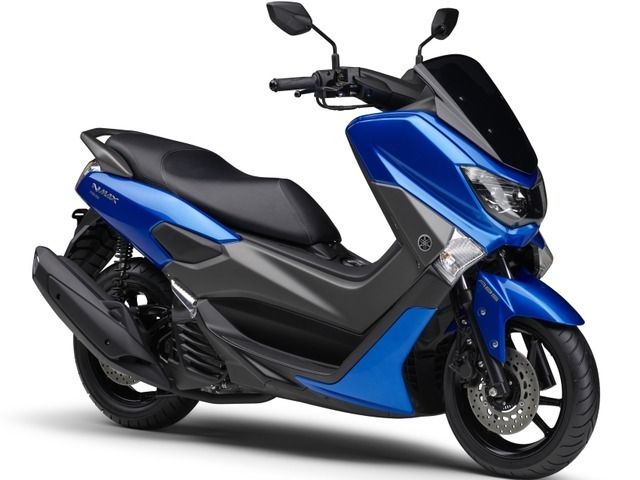
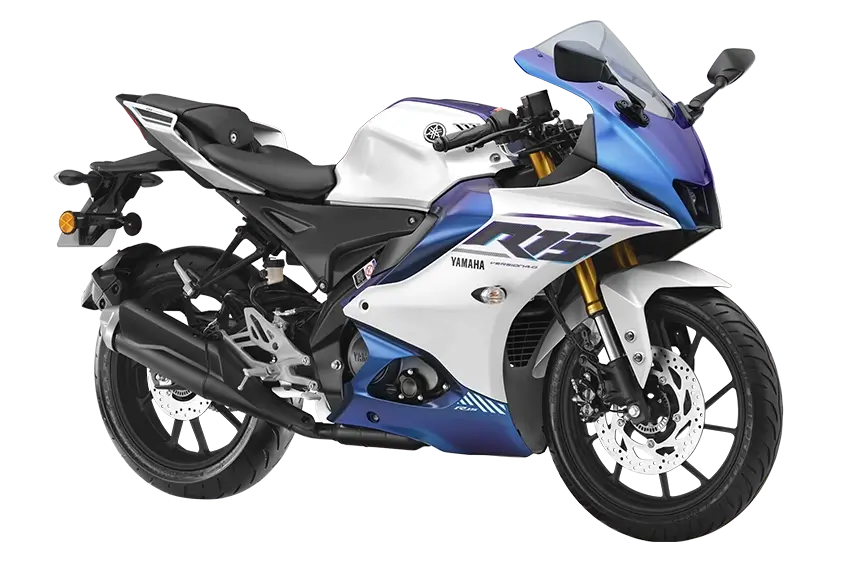
Yamaha Motor Company
The R2 (likely ~200cc+):
-
Positioned above R15
-
Targets aspirational sport riders
-
Must balance price vs KTM RC range
NMAX 155 adds comfort and urban practicality — potentially strong in metro cities.
The Editorial Shift
Under Babulal’s authorship, Bike Reviews India now commits to:
- Spec-backed analysis
- Ownership cost discussion
- Market-fit evaluation
- Rider ergonomics focus
- ICE-to-EV transition commentary
- No marketing fluff
If a bike vibrates at 6,000 rpm, it will be mentioned.
If the heat soak in traffic is unbearable, it will be highlighted.
If pricing undercuts competition, it will be acknowledged.
Conclusion
The rebranding of Bike Reviews India marks a transition from enthusiastic reporting to structured industry analysis.
2026 is not just about launches.
It is about tax reform adaptation, displacement optimization, localization economics, and rider practicality in Indian conditions.
And that is precisely how this platform will evaluate every motorcycle — from commuter singles to 200-horsepower superbikes.
Because in the end, numbers matter.
But how a bike feels between your knees in bumper-to-bumper traffic — matters more.