How to Choose the Right Bike Size in India (Beginner Guide 2026)
🚀 How to Choose the Right Bike Size in India (Complete Guide)
Choosing the right bike size is one of the most critical decisions for any rider. Whether you’re a beginner or upgrading to a bigger machine, the wrong bike size can lead to discomfort, poor control, and even safety risks.
In this detailed guide, we’ll break down everything you need to know—from seat height to engine capacity—with real Indian examples.
📏 What Does “Bike Size” Actually Mean?
Bike size is not just about engine (cc). It includes:
- Seat height
- Weight of the bike
- Engine capacity (cc)
- Overall dimensions & ergonomics
👉 A 150cc bike and a 150cc bike from another brand can feel completely different.
🧍 Step 1: Choose Based on Your Height
Your height directly impacts how comfortably you can handle a bike.
🔹 Short Riders (5.0 ft – 5.5 ft)
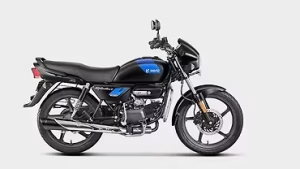
Ideal Specs:
- Seat height: 750mm – 780mm
- Lightweight bikes
Best Examples:
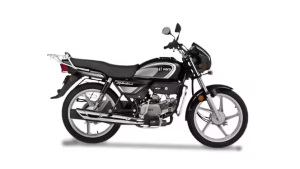
- Hero Splendor Plus
- Honda Shine
- TVS Radeon
👉 You should be able to place both feet flat on the ground.
🔹 Average Height (5.5 ft – 5.10 ft)
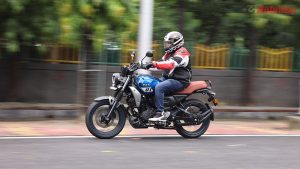
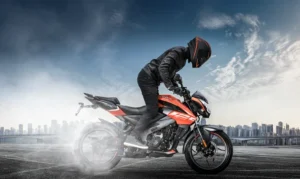

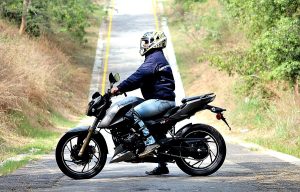
Ideal Specs:
- Seat height: 780mm – 820mm
- Balanced bikes
Best Examples:
- Yamaha FZ
- Bajaj Pulsar 150
- TVS Apache RTR 160
👉 Most bikes in India are designed for this height range.
🔹 Tall Riders (5.10 ft – 6.5 ft)
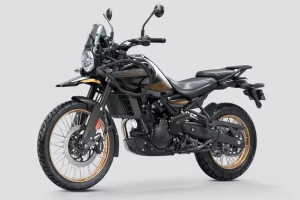
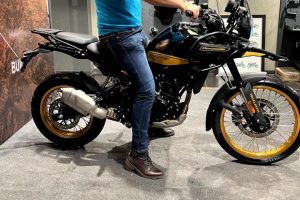
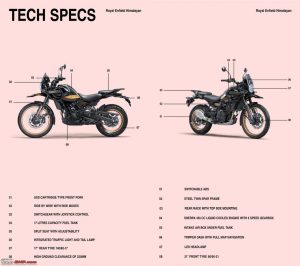
Ideal Specs:
- Seat height: 820mm – 880mm
- Bigger frame bikes
Best Examples:
- Royal Enfield Himalayan
- KTM Duke 250/390
- Hero Xpulse 200
👉 Taller bikes offer better comfort for long rides.
⚖️ Step 2: Consider Your Weight & Strength
Bike weight matters more than you think.
| Rider Type | Ideal Bike Weight |
|---|---|
| Beginner | 100–140 kg |
| Intermediate | 140–180 kg |
| Advanced | 180+ kg |
👉 Example:
- A 60kg rider may struggle with a 200kg Royal Enfield in traffic
- But a 85kg rider can handle it comfortably
🔥 Step 3: Choose Engine Size (CC) Smartly
Engine capacity affects performance, not just size.
🔹 100–125cc (Commuter)
- Best for city
- High mileage (60–80 km/l)
- Low maintenance
👉 Example: Daily office commute
🔹 150–200cc (Balanced Performance)
- Power + mileage balance
- Ideal for beginners upgrading
👉 Example: Yamaha FZ, Apache RTR
🔹 200–400cc (Performance & Touring)
- Best for highway riding
- More power & speed
- Higher fuel cost
👉 Example: KTM Duke 390, RE Classic 350
🧠 Step 4: Understand Riding Posture (Ergonomics)
There are 3 main riding styles:
1. Upright (Comfort)
- Best for city
- Less strain
👉 Example: Splendor, Shine
2. Sporty (Aggressive)
- Lean forward posture
- Better control at high speed
👉 Example: R15, RC 200
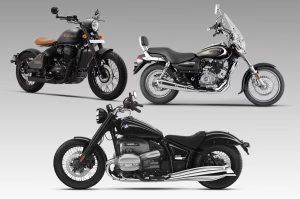
3. Cruiser (Relaxed)
- Feet forward
- Comfortable for long rides
👉 Example: Royal Enfield Classic
🧪 Step 5: Always Do a Test Ride
Never skip this step.
✔ Check if:
- Your feet touch ground properly
- You can balance the bike easily
- Handlebar reach is comfortable
- No strain on wrists or back
👉 Even a perfect spec bike can feel wrong in real life.
❌ Common Mistakes to Avoid
- Buying a bike just for looks
- Ignoring seat height
- Choosing high CC as a beginner
- Not considering traffic conditions
💡 Pro Tips (Expert Advice)
- Beginners → Start with 100–150cc
- Daily use → Prioritize mileage + comfort
- Highway riders → Choose stability + power
- Short riders → Always check seat height first
🔍 FAQs (SEO Boost)
Q1. Which bike is best for short riders in India?
Low seat height bikes like Splendor and Shine are ideal.
Q2. Is 150cc enough for beginners?
Yes, it offers a perfect balance of power and control.
Q3. Can beginners ride 350cc bikes?
Possible, but not recommended due to weight and power.
🏁 Final Verdict
Choosing the right bike size is about comfort, control, and confidence—not just power or looks.
👉 The perfect bike is the one that:
- Fits your height
- Matches your strength
- Supports your riding purpose